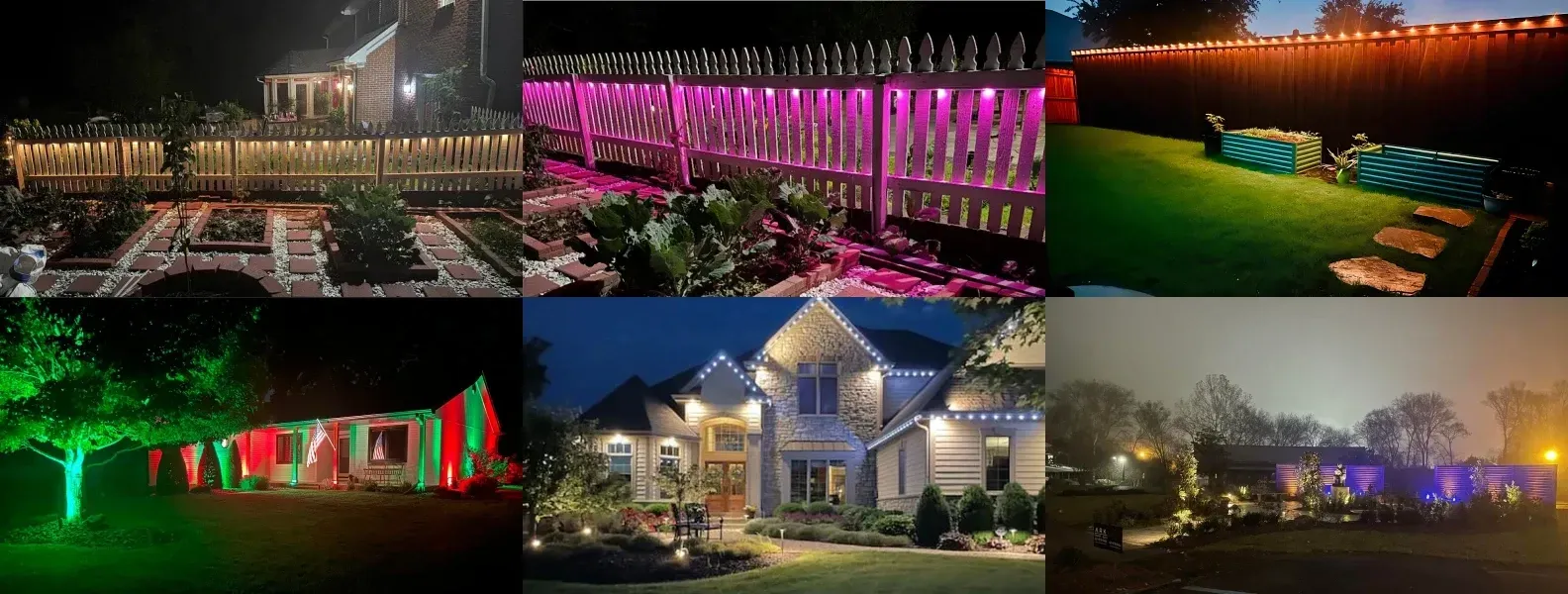
How Color and Brightness Shape the Way Your Yard Feels at Night
You walk into a backyard at night and something hits you immediately. Can’t quite name it. Calm, maybe. Cozy. Or slightly on edge.
The weird part? You felt it before you even noticed the lights.
That’s color and brightness doing their quiet work. They bypass the thinking part of your brain and go straight for mood, attention, the feeling in your chest. Most homeowners think about outdoor lighting in practical terms- safety, curb appeal, not tripping over the garden hose — and that makes total sense. But the psychological piece is what actually turns a yard or patio into somewhere people want to stay a while instead of just passing through.
I didn’t get this until I started messing around with my own spaces. Swapped one bulb near the seating area for something warmer. Nudged a pathway light down a little. Tried softer tones around the plants instead of that cold white glare. Every change felt bigger than it had any right to.
I kept wondering why. Turns out there are some pretty interesting reasons.
Why Your Brain Cares So Much About Outdoor Lighting
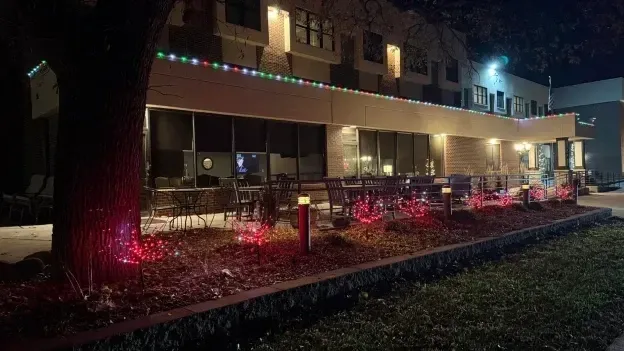
Humans evolved reading light for survival. Bright meant daytime, activity, awareness. Low light meant rest, caution, maybe danger. That wiring still lives in our brains, even when the “danger” is just raccoons near the trash cans.
Outdoor lighting taps straight into that system.
Cooler colors and higher brightness signal alertness. Warm tones and softer glows tell the body to relax. Strong contrast pulls the eye. Dim edges make spaces feel private or quiet.
This pattern shows up in most outdoor spaces.
When guests visit a backyard, nobody gathers under the brightest floodlight in the yard unless they have to. People move toward the warm pool of light near a table, a fire pit, or string lights under a pergola.
Light acts like invisible architecture.
It shapes where people sit, where they pause, and how long they stay.
Warm Light vs Cool Light: The Emotional Split
Color temperature sounds technical, but the concept is simple.
Warm light looks amber or soft yellow.
Cool light leans white or bluish.
Warm tones often feel welcoming and relaxed. They remind people of sunset, candles, porch lights, and quiet evenings outside.
Many relaxing outdoor spaces use warm white lighting in the 2700K to 3000K range. That tone works well for patios, decks, and outdoor dining areas where people sit, talk, and spend time.
Cool light gives a different feeling. It looks cleaner and sharper. That tone works well near garages, entrances, or areas where clear visibility matters.
Neutral white lighting sits between those two. It offers balanced visibility without the harsh look of cooler tones.
Many well designed outdoor spaces use a mix of tones.
Warm lighting for seating areas.
Neutral lighting for movement areas.
Cooler tones near security zones or modern architectural features.
The goal is not one color everywhere. The goal is balance.
Choosing the Right Lighting for Each Outdoor Area

Not every part of the yard needs the same type of lighting. In fact, using the same brightness everywhere can make a space feel flat and uncomfortable.
Different zones need different light.
Patios and Seating Areas
These spaces work best with warm lighting and controlled brightness. People sit here, eat, talk, and relax. Bright light can make the space feel like a stage.
Warm white light between 2700K and 3000K works well here. It helps people relax and makes the space feel inviting.
Pathways and Walkways
Paths, steps, and transitions between spaces need more clarity. This is where brighter lighting helps.
Good pathway lighting helps guests move with confidence through the yard. The goal is visibility without harsh glare.
Trees and Landscaping
Accent lighting works well for trees, plants, and stone features. Soft uplighting can highlight branches, leaves, or textures without flooding the yard with brightness.
These small lighting touches add depth and character to the landscape.
Entry Points and Security Areas
Entrances, garages, and gate areas benefit from neutral or cooler lighting. These areas require clearer visibility for safety and awareness.
Why Not Every Part of the Yard Should Be Bright
One common mistake in outdoor lighting design is making everything equally bright.
Uniform brightness removes depth from a space.
Shadows and contrast give outdoor spaces character. A darker corner next to a soft pool of light creates a sense of calm and comfort.
If the entire yard glows at the same brightness, the space can feel harsh or artificial.
Subtle lighting often creates the most relaxing environment.
A patio with warm light and soft edges invites people to sit and stay. A pathway with clear lighting helps people move with confidence. Accent lights on trees add visual interest without overwhelming the yard.
The mix of brightness levels creates balance.
Brightness Shapes Behavior More Than You Think
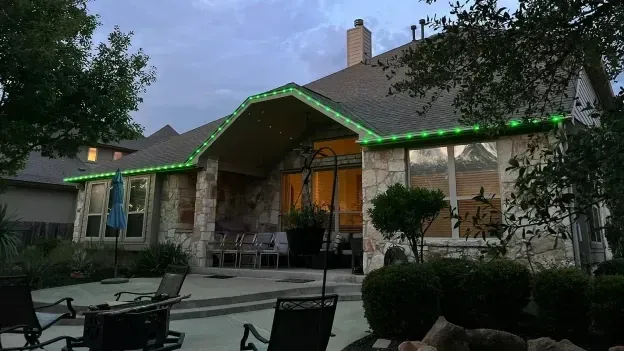
Brightness acts like a volume knob for the environment.
Turn it up and people become alert. Movement increases. Conversations get louder. Kids run across the yard.
Turn it down and the mood changes. Voices soften. People lean back in chairs. Conversations stretch longer.
This is why gathering areas benefit from controlled brightness.
Enough light to see faces and drinks. Not enough to create glare.
Accent lighting on trees or walls can go either direction. Strong contrast feels dramatic. Lower levels feel calm and romantic.
Most outdoor spaces benefit from starting with less light than expected.
It is easier to add brightness later than remove glare.
The Role of Ambient, Accent, and Task Lighting
Good outdoor lighting uses layers.
Each layer serves a purpose.
Ambient Lighting
This forms the base layer of the space. It sets the overall atmosphere for the yard, patio, or deck.
Soft overhead fixtures, wall lights, or indirect lighting often create this layer.
Accent Lighting
Accent lighting highlights landscape features such as trees, plants, stone walls, or architectural details.
It adds depth and visual interest without overwhelming the space.
Task Lighting
Task lighting focuses on areas where visibility matters most. Stairs, walkways, and transitions between levels fall into this category.
This type of lighting helps prevent trips and improves safety.
When these three layers work together, the space feels natural instead of overlit.
Common Outdoor Lighting Mistakes
Outdoor lighting works best with restraint. Many problems come from using too much light rather than too little.
A few common mistakes appear again and again.
Lights that are too bright
Strong fixtures can create glare and discomfort. People squint instead of relax.
The same brightness everywhere
Uniform lighting removes contrast and depth. The yard loses character.
Poor fixture placement
Lights placed at the wrong angle can shine straight into eyes or windows.
Lighting that overwhelms the landscape
The yard should remain the focus. Lighting should support the landscape, not overpower it.
Walking through the yard at night helps catch these issues. Sit where guests sit. Look toward the house. Notice where the light feels harsh or uneven.
That perspective reveals more than any lighting diagram.
Presets and Lighting Control
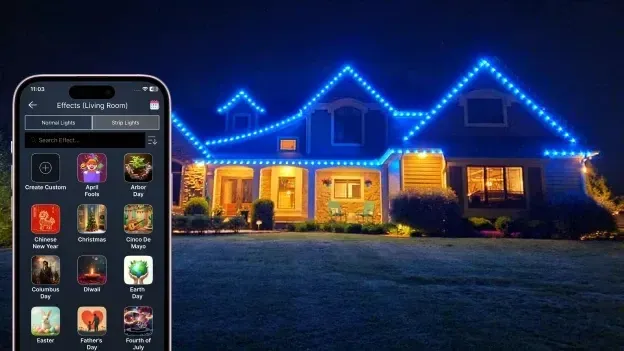
Modern lighting systems introduce another layer of flexibility.
Preset scenes allow homeowners to adjust mood and brightness without changing fixtures.
A quiet evening setting might lower brightness across the yard and warm the tones around seating areas.
A gathering setting could raise brightness near tables and pathways when guests visit.
A security mode might increase brightness near entrances or property edges.
Seasonal settings can introduce subtle color accents during holidays or celebrations without overwhelming the space.
Most people assume they will not use these options often. Then they discover how useful small adjustments can be depending on weather, company, or mood.
Lighting control becomes a way to shape the atmosphere of the yard.
A Short Installer Perspective
Professional lighting installers approach outdoor lighting with a different mindset.
They study how light interacts with landscapes, walls, and plant shapes.
Angles matter. Distance matters. Even the height of a fixture can change how light spreads across a surface.
Installers balance brightness, beam direction, and color tone to avoid glare and harsh shadows.
The goal is not just illumination. The goal is creating a layout that feels natural within the environment.
When done well, the lighting feels like it belongs in the landscape rather than sitting on top of it.
Designing With Intent Instead of Accident
The biggest shift for homeowners is realizing outdoor lighting is not just about visibility.
It shapes emotion, movement, and memory.
Think about the outdoor spaces people remember. The porch glow during summer evenings. The tree lit from below during a gathering. The soft path leading through a garden.
These small lighting moments stay with people.
You can design for that.
Decide where people should relax.
Where they should feel alert.
What deserves attention.
What fades into shadow.
Design with intent.
Your yard will begin telling people how to feel before anyone says a word.