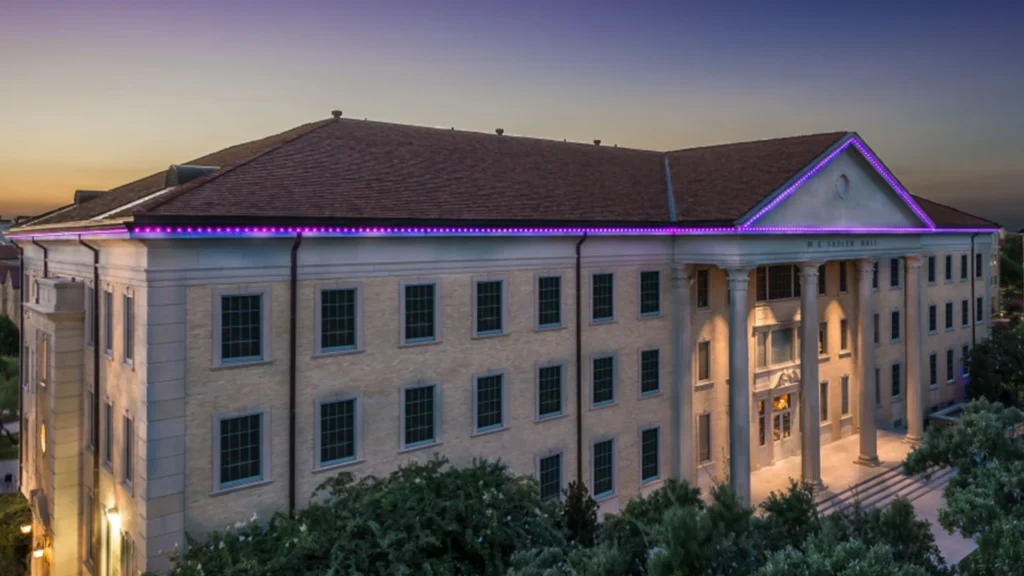
Funding Options for Permanent Municipal Decorative Lighting
Municipalities can fund permanent decorative lighting through approved capital improvement budgets, general fund allocations, eligible grants, economic development programs, downtown improvement districts, local partnerships, and other financing mechanisms permitted by their jurisdiction. The appropriate source depends on the project’s public purpose, location, ownership, cost, and applicable funding restrictions. BlueHopper helps cities plan permanent architectural, roofline, and landscape lighting projects with defined installation scopes and project-specific quotes that municipal departments can use when evaluating funding opportunities.
Include Decorative Lighting in the City’s Capital Improvement Plan
Cities can fund permanent decorative lighting through their capital improvement programs when the installation qualifies under local capital asset policies and aligns with approved public infrastructure priorities. A project may support renovations to City Hall, downtown revitalization, civic plaza improvements, or upgrades to public parks and community facilities. Your finance department can evaluate the lighting alongside other planned investments. We can help define the BlueHopper installation scope and estimated project requirements so your team has useful information when preparing a capital funding request.
Evaluate Available General Fund Resources
Municipalities may use available general fund resources for decorative lighting when the expenditure is permitted by local budget rules and approved through the appropriate process. This approach may suit a smaller installation or a project that can be funded within existing departmental allocations. Your city should consider competing spending priorities, ongoing maintenance obligations, and whether the installation meets its capital expenditure policies. BlueHopper can help you develop a suitable project estimate before your finance department determines whether existing funds are available.
Explore Downtown Improvement District Funding
Downtown improvement districts and similar local organizations may help finance eligible decorative lighting when the project supports their authorized area and improvement objectives. A business improvement district, downtown development authority, or comparable entity may have funding arrangements for streetscape enhancements, public-space improvements, or district identity projects. Eligibility and available resources depend on the organization’s legal authority and adopted budget. We can help identify suitable BlueHopper applications for participating properties while your local district determines its funding and approval requirements.
Review Economic Development Funding Opportunities
Economic development funding may support eligible public infrastructure improvements when a proposed lighting component contributes to a broader project that meets the program’s requirements. A downtown redevelopment initiative might involve streetscape work, commercial corridor improvements, or enhancements to public gathering areas. However, decorative lighting alone does not automatically qualify for economic development assistance. Your municipality should review the specific program’s objectives, eligible activities, matching requirements, and application conditions before including lighting expenses in a funding request.
Check State and Local Grant Programs
State and local grant programs may provide funding for eligible downtown improvements, community development projects, tourism infrastructure, historic preservation, or public-space enhancements. Whether decorative lighting qualifies depends on the current program rules and how the proposed installation relates to the funded activity. Your grants team should review official application documents and confirm eligible expenses before preparing a request. We can help define the lighting equipment, locations, and installation scope when those details are required for an application.
Evaluate Energy Efficiency Incentives Carefully
Energy efficiency grants, rebates, or utility incentives may support eligible lighting improvements when the project meets specific energy-saving and equipment requirements. A replacement of inefficient existing lighting may be treated differently from a new decorative installation that adds electrical consumption. BlueHopper offers compatible LED lighting with programmable schedules and brightness controls, but those features do not establish grant eligibility or guarantee energy savings. Your municipality should verify program requirements and calculate any expected reductions using the actual baseline and proposed equipment.
Consider Historic Downtown and Preservation Programs
Historic preservation funding may support certain lighting-related improvements when they form an approved part of a qualifying preservation or rehabilitation project. Historic civic buildings and downtown districts sometimes require specialized mounting methods and careful treatment of architectural materials. Funding authorities may restrict the types of improvements, materials, and installation techniques they will support. We can help evaluate suitable BlueHopper architectural lighting options while your preservation team determines whether the proposed work satisfies the relevant program requirements.
Explore Partnerships With Downtown Businesses
Municipalities may develop voluntary partnerships with downtown businesses to support decorative lighting on suitable commercial properties and public-facing structures. Participating property owners, merchant associations, or district organizations might contribute toward approved equipment or installation costs when the project aligns with their interests. These arrangements should clarify property access, ownership, operating control, maintenance responsibilities, and the treatment of private contributions. BlueHopper can help define a coordinated lighting proposal that identifies the participating locations and relevant installation requirements.
Consider Local Sponsorship and Community Contributions
Community contributions and approved sponsorship arrangements may help support municipal decorative lighting projects when local policies permit private funding for public improvements. Civic organizations, foundations, local businesses, or individual donors may wish to support lighting at a park, public plaza, community landmark, or gathering space. The city should establish appropriate rules for accepting contributions, recognizing supporters, and retaining public control of the installation. We can prepare a project-specific quote to help organizers understand the proposed funding target.
Review Tourism and Destination Development Programs
Tourism-related funding may be available for eligible public-space improvements when local law permits the proposed use and the project meets the relevant program’s objectives. Some municipalities evaluate decorative lighting as part of broader visitor-destination improvements, downtown activity programs, or public event infrastructure. However, the presence of tourism benefits does not automatically make lighting eligible for dedicated tourism revenues. Your finance and legal teams should confirm the permitted uses of any proposed funding source before including it in the project budget.
Evaluate Bonds and Other Municipal Financing Methods
Municipal bonds or other approved financing arrangements may support qualifying capital improvements when the project fits the city’s borrowing authority, financial policies, and debt management requirements. Financing spreads certain expenditures over time but introduces repayment obligations and potentially interest and issuance costs. A municipality should determine whether the project’s scale and expected service life justify that approach. BlueHopper can supply project-specific lighting information, while your finance department and advisors assess whether financing is appropriate.
Consider Public-Private Partnerships for Larger Projects
Public-private partnerships may be considered when municipal decorative lighting forms part of a larger redevelopment or public infrastructure project involving both public and private participants. These arrangements can distribute responsibilities for funding, construction, operation, or maintenance, but they also require careful contractual and financial review. Your municipality should establish who owns the lighting, controls its operation, and pays for ongoing service. We can help scope a compatible BlueHopper installation within the project while the participating organizations determine their contractual structure.
Combine Funding Sources When Permitted
Municipalities may be able to combine multiple funding sources for a permanent decorative lighting project when each source permits the proposed expenses and the overall arrangement meets applicable requirements. For example, one approved allocation might support a public building installation while a separate district budget funds eligible streetscape features. Funding agreements may restrict cost sharing, reimbursement, matching contributions, or the use of overlapping awards. Your finance and grants teams should verify those conditions before committing funds to the combined project.
Use Phased Installation to Match Available Funding
A phased installation allows cities to begin permanent decorative lighting with approved funding for selected priority locations while planning additional improvements for future budget periods. Your municipality might start with City Hall, a prominent downtown block, or a civic plaza before expanding to nearby public buildings and landscaped areas. BlueHopper’s compatible architectural and landscape lighting options allow us to help plan the initial installation with potential expansion in mind. Each phase should still have its own defined cost, approval, and procurement arrangements.
Understand the Difference Between Funding and Procurement
Funding identifies the financial resources available to pay for municipal lighting, while procurement determines how the city is authorized to purchase the equipment and installation services. A grant, capital budget allocation, or district contribution may provide funding, but the city must still follow applicable purchasing requirements. BlueHopper describes a procurement pathway through The Interlocal Purchasing System (TIPS) for eligible municipal projects. Your purchasing department should verify current contract coverage, local authorization, and service arrangements before using that option.
Prepare the Project Information Needed for Funding Review
A municipal decorative lighting funding request should clearly identify the project locations, public purpose, proposed installation, estimated cost, operating responsibilities, and expected completion schedule. Grant providers, city councils, district boards, and other funding partners may also request photographs, site plans, matching-fund information, or long-term maintenance commitments. We can help your municipality develop a project-specific BlueHopper lighting scope and quote, giving your team information to incorporate into its own funding applications and approval materials.
Frequently Asked Questions
Can municipalities obtain grants for decorative outdoor lighting?
Some programs may support eligible lighting components within qualifying public infrastructure, downtown improvement, preservation, or energy projects. However, decorative lighting is not automatically eligible. Your municipality should confirm the specific program’s current rules before applying.
Can downtown business improvement districts fund permanent lighting?
Potentially, yes. A district may fund eligible improvements within its authorized area when the project meets its governing rules and approved budget. Local district officials should confirm the availability and permitted use of those funds.
Does BlueHopper provide municipal grant funding?
BlueHopper provides permanent outdoor lighting products and project-specific installation proposals. The company should not be presented as a grant provider without a separately confirmed funding program. We can help your team define the lighting scope for its funding review.
Is TIPS procurement the same as municipal project funding?
No. TIPS is a cooperative purchasing pathway, not a source of grant money. Eligible municipalities must still identify approved funds and verify their purchasing authority and applicable contract terms.
Find a Funding Path for Your Municipal Lighting Project
Your city may have a strong reason to improve the appearance of its downtown, public buildings, or community spaces, but the project still needs an approved way to pay for it.
The first step is understanding the installation you want to build and what it is likely to cost. With that information, your finance team can evaluate capital allocations, eligible grants, local district resources, and other permitted funding arrangements.
BlueHopper can help you define the permanent lighting project and prepare the equipment and installation estimate needed for those discussions.
Tell us which municipal properties you want to illuminate, whether the project is part of a larger improvement program, and the budget range or funding timeline you are considering. We can help identify suitable lighting options and prepare a proposal for your municipality to review.